
On Key(s)
Music isn’t just an extracurricular.
Keys. We all have them. We know what they do.
From the physical (rooms, safes, cars) to the figurative (hearts, ambition, fears), keys unlock. They open. They give access.
I’m Nick Adams, the new Executive Director here at Pakachoag Music School. I was three years old when I sat on a piano bench for the first time. It was with a Suzuki teacher. What I had no way of knowing was that I was given a key at that very first lesson. Unimpressive, but it was a key nonetheless.
Those piano keys became a master “key” that would change my life.
As that master key evolved, a new door swung open. Middle school brought the trombone, which unlocked a marching‑band hallway and lifelong relationships. College handed me the key marked Music Education, opening classrooms where I learned to guide others. Graduate school engraved that key with Artist, revealing concert halls and practice rooms of a deeper discipline. Finally, the U.S. Air Force Band gave me a key to service: professional trombonist while representing my country. One instrument after another, one key after another—every twist has opened the next, even larger doorway.
A “key” also has a musical definition. Simply put, it’s “home” for a piece of music. It’s like a neighborhood for a family, the color palette of a painting, or a GPS pin on a hike. When it’s said that someone is singing “on key”, it means their voice is lined up well with its musical neighborhood.
It’s vital to know the key in a musical work. It sets the ground rules, governs how the work unfolds, and guides our ears back to the place where the music finally feels settled.
Settled. What a great word.
Without that home base, even the most beautiful melody ends up wandering like a traveler with no address.
Unlocking Minds
Long before I understood scales or chord progressions, those first piano keys began unlocking a different set of doors: focus, memory, and confidence. Today the research confirms what music teachers around the world know to be certain:
Sharper attention. A 2024 meta‑analysis found that preschoolers who studied music showed significantly stronger self‑control and working memory than their non‑musical peers.
Academic lift. Students engaged in sustained music instruction score higher in math and reading—and are more likely to graduate.
Emotional resilience. Solo and ensemble playing builds empathy, teamwork across division, and that priceless I‑can‑do‑hard‑things mindset every parent hopes to nurture. This goes for adults, too.
In other words, a single piano key can become a master key—one that fits countless locks far beyond the studio.
Expanding Key Ring
In my own - wonderfully unremarkable - story, the doors opened are clear:
Middle School Trombone: the key to camaraderie (and the first glimpse that practice could be fun). It eventually became my lifelong calling and career.
University of South Carolina: I studied music education and learned some of the keys to pedagogy—learning how people learn.
Mannes College of Music: the keys to artistry, nuance, and that thrilling New York hum. Sorry, Boston.
U.S. Air Force Heartland of America Band: the keys to service, discipline, and honoring veterans and servicepeople all over the country.
Different keys, same truth: music learning doesn’t just unlock talent; it unlocks people.
A Community in the Same Key
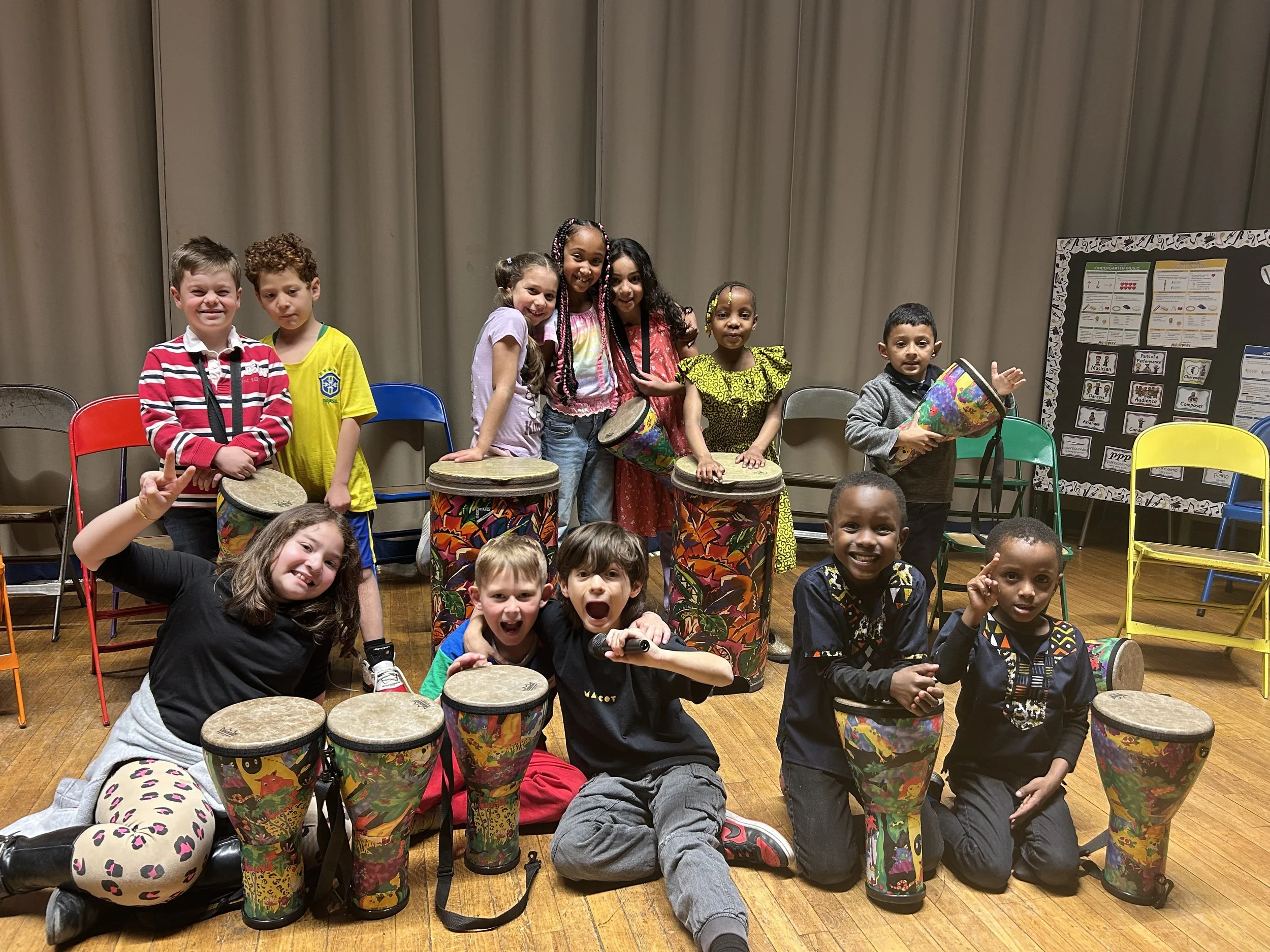
Last Thursday, I grabbed a new key leading the team at Pakachoag. Our faculty members place literal keys (also strings, vocal cords, and more!) beneath fingers large and small, and in doing so, hand students the figurative ones that open doors to:
Confidence: first‑recital butterflies transformed into beaming bows.
Creativity: expressing just the right musical emotion, the ones felt most deeply.
Community: friendships that cross ages, languages, and ZIP codes.
Pakachoag’s hallways are lined with doors waiting to swing wide.
Your Turn—Find the Lock That Fits
Share this post with a family asking whether lessons are worth the drive.
Enroll—summer music-making and fall registrations will open very soon.
Support—time (volunteers), talent (professional skills), or treasure (donations) are always welcome.
Let’s unlock doors—together.
Tell Us Your Key Story
Was it a dusty old piano? A plastic recorder, a snare drum, or a chorus audition you almost skipped? Comment below—we read every note.
Here’s to finding—and sharing—the keys that unlock the best in us all.
Note by note,
Nick
